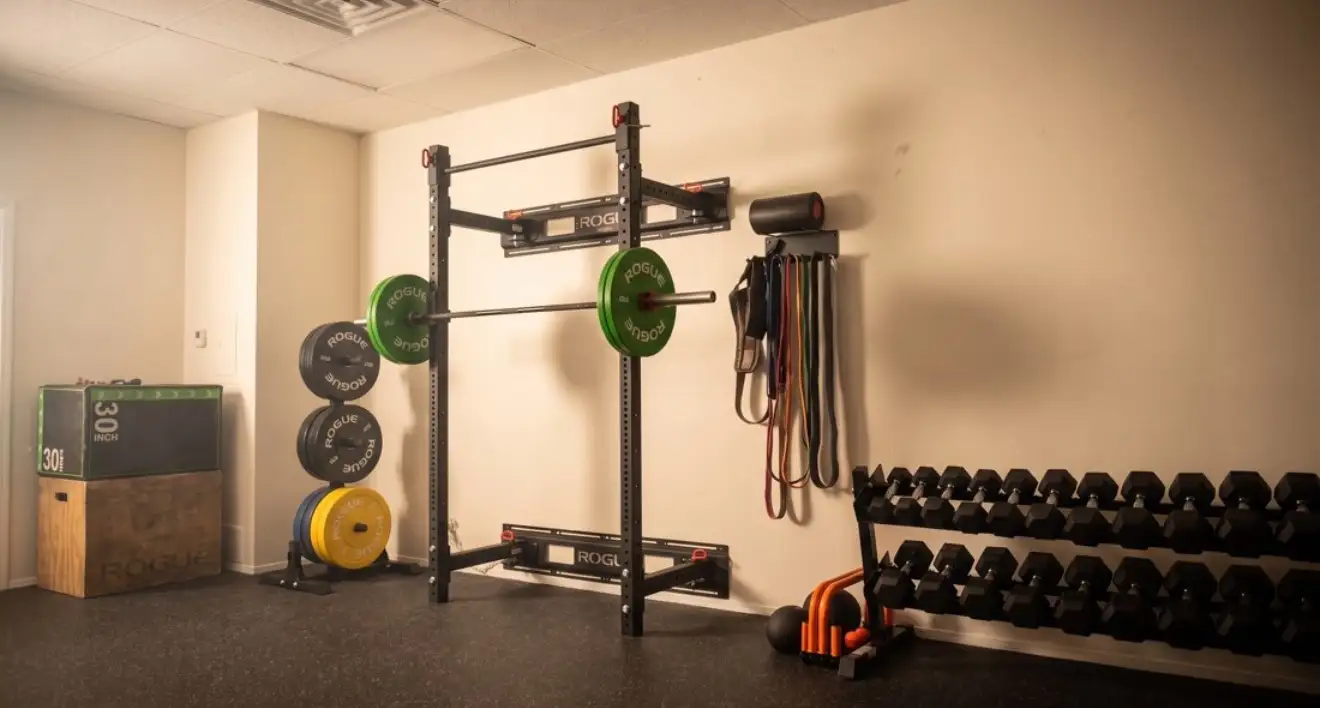
The training floor at Solas Physical Therapy in El Paso: a Rogue rack with a loaded barbell and bumper plates, a dumbbell rack, plyo boxes and resistance bands on rubber flooring
No Referral Required · Same-Week Appointments

Physical Therapy for
Lifters in El Paso

Back tweaked on a deadlift? A shoulder that hates bench or overhead press? Physical therapy for lifters keeps you training while the injury settles, then builds you back to your working weights under a real barbell. Dr. Andrew Cisneros, PT, DPT, MS is a lifter and former CrossFit coach with a strength and conditioning background, and every visit is a full hour, one-on-one.

Typical rehab
✗ "Stop lifting until it stops hurting"
✗ Light bands and ankle weights
✗ Done when the pain is gone
✗ Nobody watches your lift
Solas PT
✓ Keep training: modified, not stopped
✓ Rogue rack, bumper plates, sled
✓ Built back to working weights
✓ Your squat, bench and deadlift assessed
✓ 60-min 1-on-1, no referral needed
★★★★★ Verified Patient Reviews
★★★★★

"My daughter has been a patient of Dr. Cisneros for two separate injuries, and we've had an amazing experience both times. He is professional, encouraging, knowledgeable, and kind. He creates a fun and positive environment that makes recovery enjoyable and motivating. I highly recommend him — especially athletes working to get back into sports."

— Elzunia Edwards
★★★★★

"Andrew did a thorough assessment of my injury and explained my issues in a way I could understand. He recommended dry needling, talked me through the treatment, and I felt the work immediately. Within a couple of days I was back to full function with my training. Highly recommend if you are looking for one-on-one time with a physical therapist!"

— Josh Silvas
★★★★★

"Dr. Cisneros is one of a kind. Not only is he excellent in making you feel better but also getting you moving like you're supposed to again. He is so kind and compassionate and just an overall good person. Do yourself a favor and book an appointment — you won't regret it one bit!"

— Brit
See All Reviews on Google →

What Is Physical Therapy for Lifters?

Physical therapy for lifters is rehab built around the lifts you train: the squat, bench press, deadlift, overhead press and the Olympic lifts. It finds the irritated tissue and the reason it got irritated, keeps you training around it, and progressively loads it back to your working weights with a barbell, not just bands. The goal is not walking without pain. It is getting back under the bar.

Who it is for: powerlifters, Olympic weightlifters, CrossFit and functional-fitness athletes, bodybuilders, and anyone who trains with weights, including lifters in their 40s and 50s who want to keep lifting for decades.

Powerlifting and Olympic weightlifting technique is part of the assessment: whether the problem sits in the pull from the floor or the second pull, in front-rack or overhead position, or in how a squat or bench press is set up and loaded.

60

Minutes, one-on-one with the same Doctor of Physical Therapy at every visit. No aides, no handoffs.

0

Referrals needed for the first 30 days. Texas direct access means you can book this week.

1

Visit for hands-on work and loading. The private treatment room and the training floor are in the same clinic.

What We Treat

Lifting Injuries We Treat in El Paso

Each lift loads the body in its own way, and each brings its own injuries. These are the ones lifters bring in most.

⚙️

Low Back: Deadlifts and Squats

Muscle, joint and disc irritation that flares under heavy hinging or squatting, and sciatica that runs down the leg. Hands-on care and dry needling settle it; a structured return to the hinge gets you back under load. Low back pain.

🏋️

Shoulder: Bench and Overhead Press

Pain at the front or top of the shoulder when pressing, often tied to position, mobility or rotator cuff and shoulder-blade control. Pressing is scaled, not abandoned. Shoulder pain and rotator cuff.

🦵

Knee: Squatting

Patellar tendon pain and patellofemoral (front-of-knee) pain from heavy or high-volume squatting. Tendons respond to the right load, not to rest. Knee pain.

🔩

Hip: Depth and Pinching

Pinching at the bottom of the squat, stiffness and groin pain. Stance, depth and loading are worked through with you, and labral problems are recognized and managed. Hip pain.

🤚

Elbow and Wrist

Tendon pain on the inside or outside of the elbow from pressing, pulling and curls, and wrist pain from the front rack and heavy grip. Grip, angle and volume are adjusted while the tendon is loaded back up.

💪

Strains and Tweaks

Hamstring, adductor, calf and back strains from a heavy set gone wrong. The sooner the tissue is loaded correctly, the sooner the next heavy set is back on the program.

The Process

How Rehab Works for Lifters

From the first assessment back to your working weights, in the same clinic, with the same physical therapist.

01

Watch the Lift

The first visit is more than a pain assessment. You squat, hinge and press, unloaded first and under load when it is safe, so the problem can be pinned to position, mobility, technique or simply how much and how often you are lifting.

02

Find the Tissue and Set Milestones

The structure involved (muscle, tendon, joint or nerve) is identified, and milestones are set by what you can do, not by calendar dates: range, pain-free loading, and strength.

03

Hands-On Care When It Helps

Joint mobilization, soft tissue work, and dry needling when it is indicated, in a private treatment room, to calm the pain and restore range so the loading that follows actually works.

04

Keep Training: Modify, Don't Stop

You leave with a plan for the gym: what to keep, what to change, and how. Range, tempo, the variation or the load is adjusted so the injured tissue is loaded without being aggravated.

05

Back to Working Weights

The lift is rebuilt under the barbell on the clinic's rack, and you return to heavy when you pass the criteria: full, pain-free range at working loads, technique that holds up under fatigue, and side-to-side strength within 90 percent where it applies.

A Rack, Not a Yellow Band

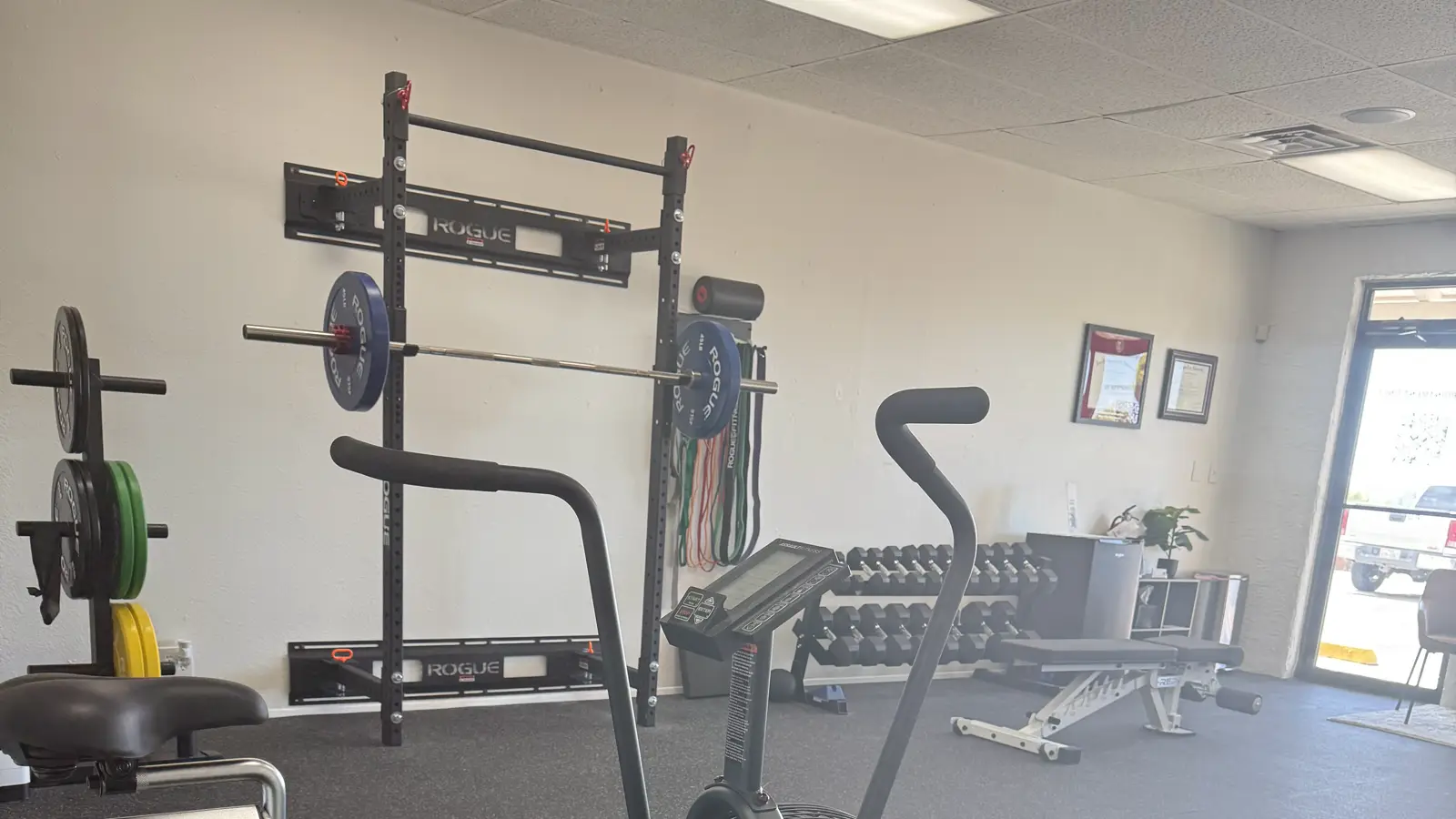
Lifters get back to lifting by lifting. The clinic has a real training floor, so the last phase of rehab happens under a barbell at loads that mean something, in the same visit as the hands-on work.

The training floor at Solas Physical Therapy, El Paso: Rogue rack with a loaded barbell and bumper plates, dumbbells and an assault bike
Common Questions

Physical Therapy for Lifters FAQ

Physical therapy for lifters is rehab built around the lifts you train: the squat, bench press, deadlift, overhead press and the Olympic lifts. It finds the irritated tissue and the reason it got irritated, keeps you training around it, and progressively loads it back to your working weights with a barbell, not just bands. At Solas PT in El Paso it is done one-on-one for a full hour with Dr. Andrew Cisneros, PT, DPT, MS.

Usually not. If the tissue is acutely irritated, some movements are paused or reduced for a short time while it settles. Otherwise the goal is load modification, not elimination: range, tempo, the variation or the load is adjusted so the injured tissue is loaded without being aggravated, and most lifters leave the first visit knowing what they can keep training.

Yes. Most back pain from deadlifting or squatting is a muscle, joint or disc irritation that responds well to the right mix of hands-on care, dry needling when it is indicated, and a structured return to hinging and loading. Numbness or weakness spreading down the leg, loss of bladder or bowel control, or numbness in the groin are not something to wait on: seek medical care right away.

When you pass the criteria, not when a number of weeks has gone by. That means full, pain-free range at your working loads, technique that holds up under fatigue, and, where it applies, side-to-side strength within 90 percent. Most courses of care at Solas PT finish in four to six visits; bigger injuries take longer.

Yes. Dr. Cisneros is a lifter and a former CrossFit coach with a strength and conditioning background. Powerlifting and Olympic weightlifting technique is part of the assessment: whether the issue sits in the pull from the floor or the second pull, front-rack or overhead position, or how a squat or bench press is set up and loaded.

Yes. Strength training is one of the best things you can do as you get older, and rehab here is built on it rather than on rest. Recurring aches in lifters over 40 are usually a load-management and recovery problem, and a plan that progresses you sensibly keeps you under the bar for decades.

No. Texas allows physical therapy without a physician referral for the first 30 consecutive calendar days, so you can book directly and start this week. A referral is required to continue past 30 days, and Solas PT helps you arrange one if you need it.

The evaluation is $150 for a full hour, and treatment visits are $120 for 60 minutes or $95 for 45 minutes, paid per visit with nothing up front. HSA and FSA cards are accepted, and a superbill is available on request if you want to submit to your insurance yourself.

Sports Patient · Local Guide

★★★★★

"Andrew was very professional, attentive, and knowledgeable. He listened to the pain I was having in my shoulder and gave me the right treatment to get me back to my rock climbing activities."

Moe' — Rock Climber · El Paso
★ Verified Google Review · Solas PT · Local Guide
  Back Under the Bar

Don't Let an Injury Stall Your Lifting.

Book an evaluation at the Solas PT clinic on Resler Dr: a full hour, one-on-one, with a plan for your next training session before you leave. Any stage, from a fresh tweak or the first weeks after surgery to the last block before a meet.

Book Your Evaluation → CrossFit Physical Therapy
Call (915) 318-7381 · Text Us

Also read: Why Resistance Training Is the Foundation of Rehab → · Sports Rehabilitation → · Running Gait Analysis →