Generic PT doesn't prepare you to snatch, string muscle-ups, or hit a Hyrox PR — and "just rest" isn't a plan. Dr. Cisneros is a Doctor of Physical Therapy with a strength & conditioning background and is a former CrossFit coach, so he reads barbell mechanics and Olympic lifts the way a coach does. He treats overhead shoulder, knee, and low-back injuries at the root, then progresses you back to training — including at the Solas PT location inside Thrive Performance CrossFit.
"My daughter has been a patient of Dr. Cisneros for two separate injuries, and we've had an amazing experience both times. He is professional, encouraging, knowledgeable, and kind. He creates a fun and positive environment that makes recovery enjoyable and motivating. I highly recommend him — especially athletes working to get back into sports."
"Andrew did a thorough assessment of my injury and explained my issues in a way I could understand. He recommended dry needling, talked me through the treatment, and I felt the work immediately. Within a couple of days I was back to full function with my training. Highly recommend if you are looking for one-on-one time with a physical therapist!"
"Dr. Cisneros is one of a kind. Not only is he excellent in making you feel better but also getting you moving like you're supposed to again. He is so kind and compassionate and just an overall good person. Do yourself a favor and book an appointment — you won't regret it one bit!"
Most PTs have never coached a barbell movement. Dr. Cisneros has. The goal isn't "you can walk without pain" — it's a full return to training at pre-injury performance. That takes reading your movement under load, knowing how to progressively load tissue through training stress, and finding the dysfunction driving the injury in the first place — something a cookie-cutter program never catches.
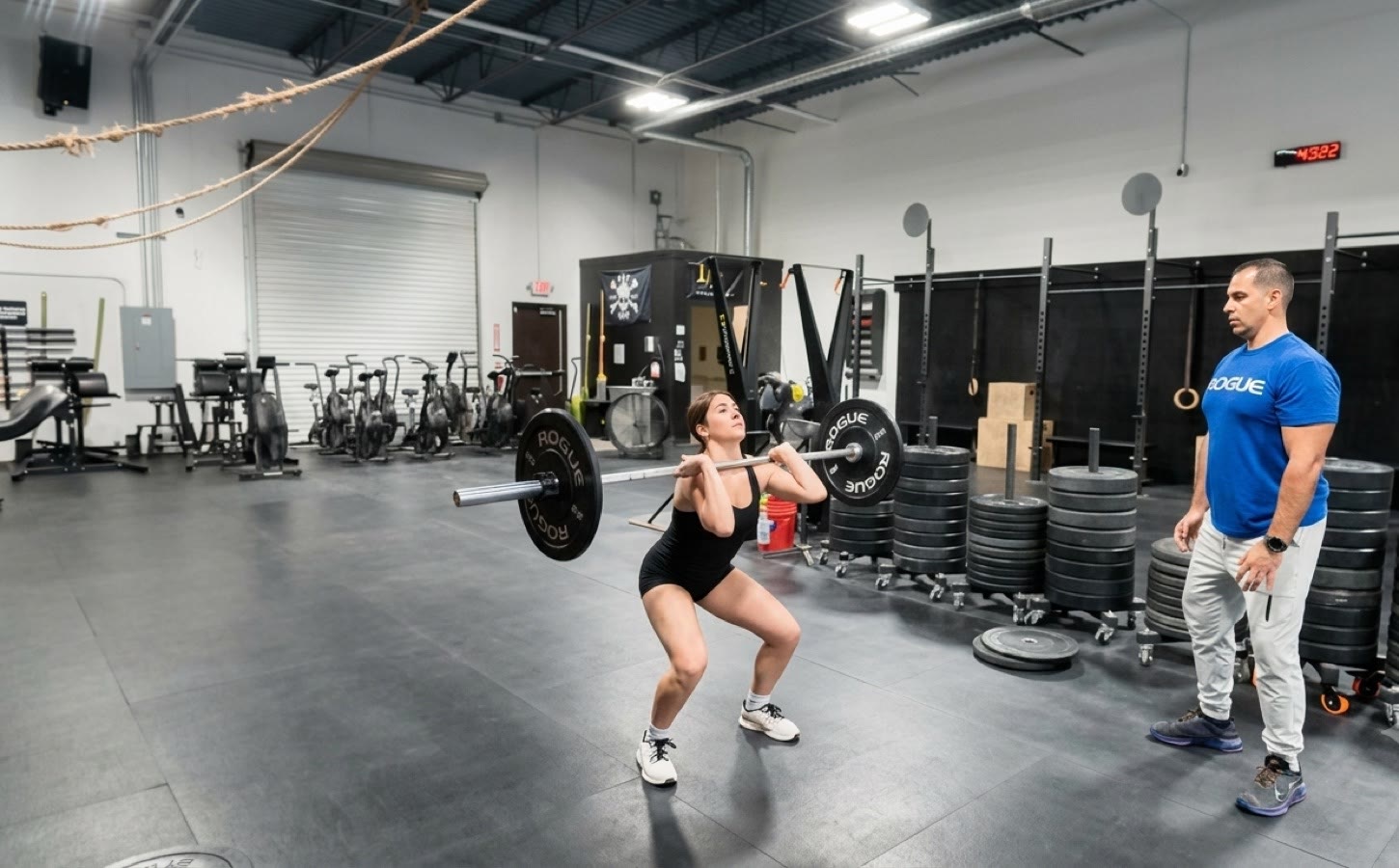
Dr. Cisneros holds a Doctor of Physical Therapy plus a strength and conditioning background and is a former CrossFit coach. Advanced powerlifting and Olympic-weightlifting technique is his forte — he can isolate whether you need work on the pull from the floor versus the second pull, or front-rack and overhead mobility and stability, and tie it directly to your injury.
At Solas PT, this isn't generic PT with "functional exercises" bolted on at the end. It's built from the movement down.
Dr. Cisneros brings a strength and conditioning background to every sports rehab case — loading progressions are sport-specific, not generic
Every session is one-on-one for a full 60 minutes. No aides, no rotating staff, no 15-minute check-ins between other patients
Referrals needed. Direct access PT in Texas means same-week appointments — no waiting on a physician's order to start rehab
Dr. Cisneros treats CrossFit, functional-fitness, and barbell-sport athletes — and the athletes in adjacent disciplines who train the same way. Each movement pattern brings its own injury patterns and return-to-training demands.
The most common CrossFit injury — usually driven by a lack of shoulder mobility or rotator cuff and scapular stabilization deficits from pressing, snatches, jerks, kipping, and muscle-ups. Evaluated and corrected first, then progressed through dynamic overhead loading.
Patellar tendinopathy, patellofemoral / anterior knee pain, and IT band syndrome from high-rep squatting, wall balls, and box jumps. Managed with load modification and progressive strengthening while you keep training.
Paraspinal trigger points, SI joint irritation, and disc-related pain that flares under heavy loading. Electrical dry needling and movement correction get you back under the bar.
The most undertreated issue in CrossFit. Foam rolling doesn't reach where the trigger points actually live — dry needling directly into the TFL and iliopsoas is a game-changer.
From front-rack position, clean grip, handstands, and gymnastics. Wrist mobility, soft-tissue work, and progressive loading restore function without months of rest.
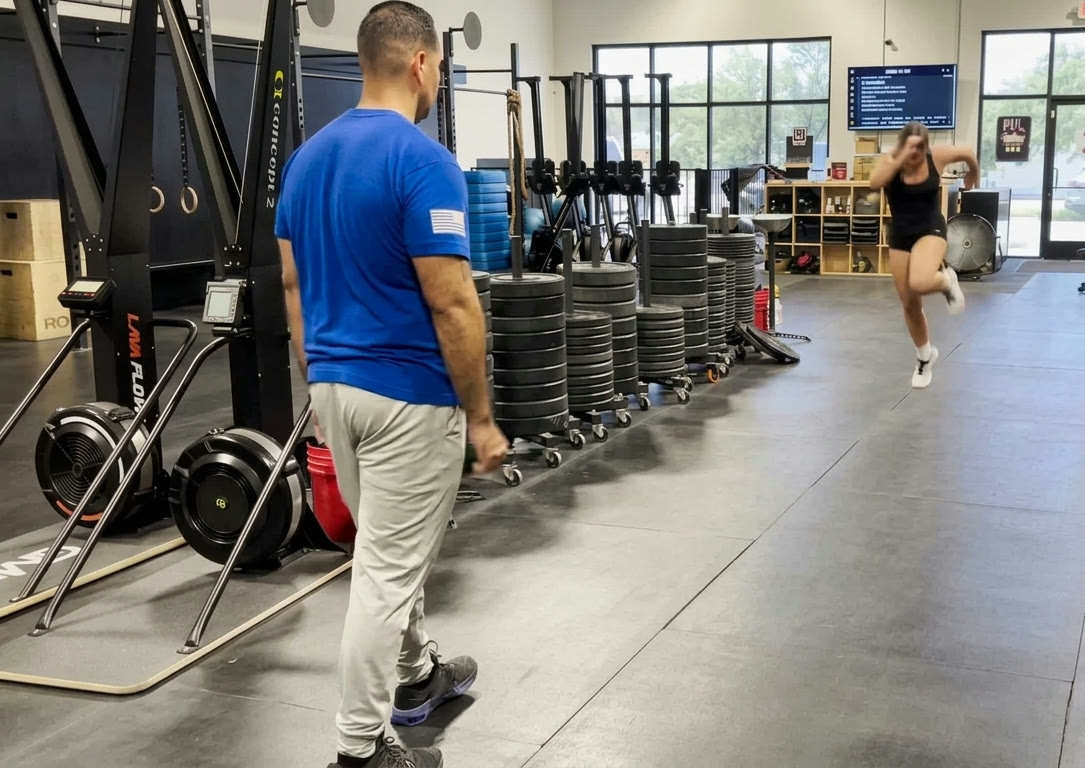
Calf and hamstring strains, Achilles tendinopathy, and overuse from running intervals and sled work. Built back toward the actual demands of the event, not just pain-free jogging.
Recovery starts with understanding the athlete — who you are and where you want to go — then a structured progression from movement screen through tissue loading to scaled CrossFit movements and return-to-training criteria. Here's what to expect.
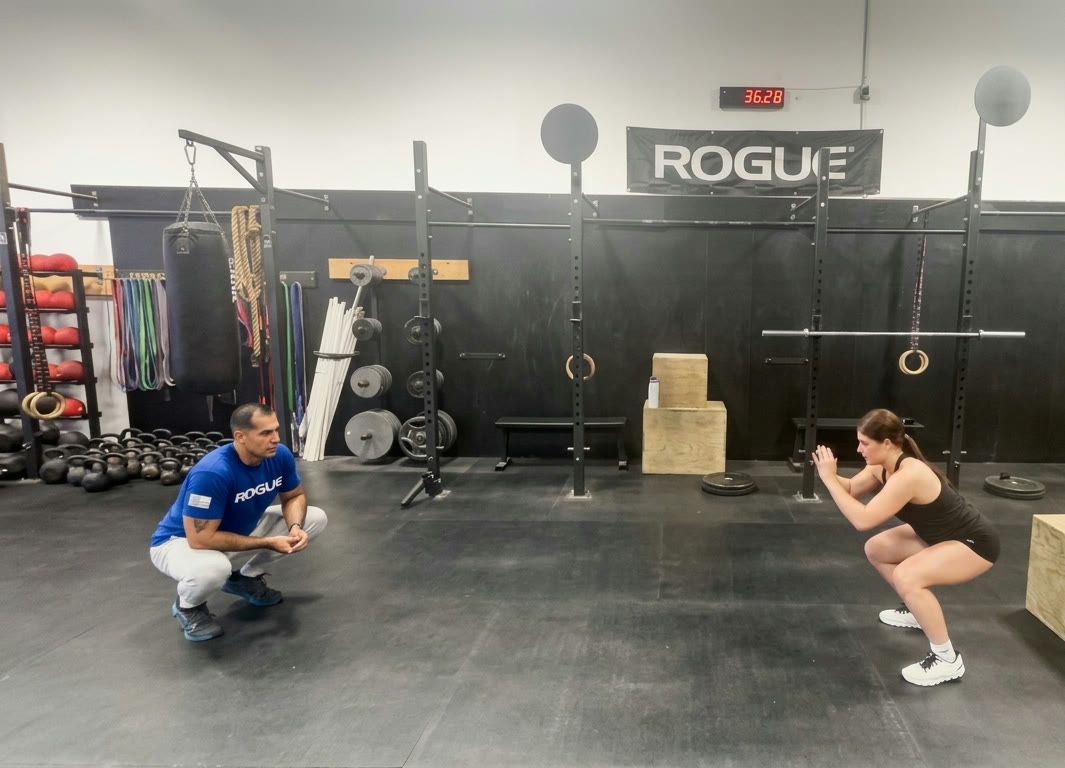
The first session isn't just a pain assessment — it's a full movement and performance evaluation. Dr. Cisneros assesses how you move in the patterns your sport demands: overhead position, hip hinge mechanics, single-leg loading, force production. This tells him not just what's injured, but why it got injured in the first place.
Every tissue heals on a timeline — but that timeline is driven by biology, not calendar dates. Dr. Cisneros identifies the structure involved (muscle, tendon, ligament, cartilage, nerve) and sets milestone-based goals: strength ratios, range of motion, pain-free loading thresholds. You'll know exactly what you need to achieve before you're cleared to return.
Hands-on care gets you moving faster. Joint mobilization, soft tissue work, and dry needling reduce pain, restore range of motion, and prime tissue for loading — so the strength work that follows is actually effective, not just fatiguing a guarded muscle.
You don't need to stop training — you need to load smarter. Dr. Cisneros builds a parallel training plan that modifies aggravating movements while progressively loading the injured tissue. Most athletes leave session one knowing exactly what they can still do in the gym that week.
Before you return to full competition, Dr. Cisneros runs objective return-to-sport criteria: strength symmetry testing (side-to-side >90%), functional movement quality, sport-specific performance measures. You're cleared when you've passed the tests — not when a number of weeks has elapsed.
Most PTs have never performed a snatch, a muscle-up, or a heavy barbell squat. Dr. Cisneros has — as a former CrossFit coach with a strength & conditioning background, he understands the demands, the culture, and the injury patterns, and he won't just tell you to stop doing CrossFit.
The goal is load modification, not elimination. Dr. Cisneros identifies what's aggravating the injury and builds a modified program around it. Most athletes keep training throughout their entire course of care.
Solas PT has a location inside Thrive Performance CrossFit on Doniphan Dr in northwest El Paso — so mechanics can be evaluated under load and movement correction coached in the exact context where injuries actually happen.
Return-to-competition criteria are set based on your specific sport demands. For CrossFit athletes, that means overhead position, squat mechanics, and barbell cycling — not just "pain-free walking."
The most dangerous moment in sports rehab is the clearance decision. Returning too early — because a calendar date passed or pain went away — is the primary driver of re-injury. At Solas PT, return to sport is criteria-based, not time-based. You need to pass the tests, not wait out the weeks.
Side-to-side strength deficit must be under 10% before return to sport. Dr. Cisneros uses manual muscle testing and functional strength assessments to measure limb symmetry — not just "does it feel strong?"
Single-leg hop tests, triple hop for distance, crossover hops — these measure explosive capacity and confidence under load. Critical for ACL rehab, but used across all lower extremity sports injuries.
You need to demonstrate the movement patterns your sport demands — overhead for CrossFit athletes, sprint mechanics for runners, cutting patterns for team sports. Pain-free walking doesn't mean sport-ready movement.
Return-to-sport confidence is a legitimate criterion. Fear of re-injury — even after physical recovery is complete — is one of the strongest predictors of poor outcomes. Dr. Cisneros addresses this directly during the return-to-sport phase.
The goal isn't clearance — it's readiness. A lot of athletes get cleared too early because a number of weeks elapsed and their pain went away. Pain-free doesn't mean ready. At Solas PT, the return-to-sport decision is made with objective data, not a calendar date.
Solas PT specializes in physical therapy for CrossFit and functional-fitness athletes in El Paso. Dr. Andrew Cisneros, PT, DPT, MS is a former CrossFit coach with a strength & conditioning background who treats athletes one-on-one — including at the Solas PT location inside Thrive Performance CrossFit on Doniphan Dr in northwest El Paso. No referral is required in Texas. Book online or text (915) 318-7381.
The most common are overhead shoulder problems — usually driven by a lack of shoulder mobility or rotator cuff and scapular stabilization deficits. These should always be evaluated and corrected first, then progressed through dynamic overhead loading and finally back into the specific CrossFit movement scaled to the right weight and pattern. Knee pain from squatting and box jumps, low-back irritation from deadlifts and Olympic lifts, and hip-flexor tightness are also frequent. A generic "rest it" approach misses the movement dysfunction driving these.
It depends on the injury. If it's a mechanical issue with sensitized, inflamed soft tissue, you'll need to avoid certain movements or reduce load while it settles. If it's chronic or recurring, it often calls for a full-body functional screen to find the impairments — sometimes at other joints — actually driving it, then a comprehensive approach. Dr. Cisneros's goal is to modify and keep you training wherever it's safe. Knowing how to scale a workout around an impairment is something most athletes can't do alone — a trained therapist spots it quickly.
Dr. Cisneros holds a Doctor of Physical Therapy plus a strength & conditioning background and is a former CrossFit coach — so he reads barbell mechanics, Olympic lifts, and high-rep loading the way a coach does. Advanced powerlifting and Olympic-weightlifting technique is his forte: he can isolate whether you need work on the pull from the floor versus the second pull, or front-rack and overhead mobility and stability, and tie it directly to the movement dysfunction behind your injury. A cookie-cutter program never finds that. Every session is one-on-one, 60 minutes, no aides.
Recovery starts with understanding the athlete — who you are and where you want to go — then tailoring movement work and a specific home program to that goal. Dr. Cisneros progresses athletes with varied, individualized progressions specific to their sport and clears strength and movement deficits before returning them to high-impact or competition. He has returned higher-level athletes to running and CrossFit/Hyrox-style training by building toward the actual demands rather than rushing back. The key is not skipping the functional base.
One of the most underrated causes is a lack of periodization — training at the same intensity every day or week for years and wondering why strength, technique, and performance stall. The body needs varied periods of low, moderate, and high intensity plus dedicated power and sprint work; that variation drives progress and prevents injury. With his strength & conditioning background, Dr. Cisneros can build that periodization into your rehab and return-to-training plan and flag the movement impairments quietly capping your performance.
No. Texas is a direct access state, so you can book directly with Dr. Cisneros at Solas PT without a physician's referral and start the same week. If imaging or a specialist consult is warranted, he'll coordinate it — but most CrossFit injuries can be evaluated and treated from day one.
Sports Patient · Local Guide
"Andrew was very professional, attentive, and knowledgeable. He listened to the pain I was having in my shoulder and gave me the right treatment to get me back to my rock climbing activities."
Every week you're not loading the injury properly is a week of wasted recovery. Book a CrossFit evaluation with Dr. Cisneros — west El Paso or the Thrive Performance CrossFit location in northwest El Paso. Same-week appointments, no referral needed.
Also read: Why Resistance Training Is the Foundation of Rehab →