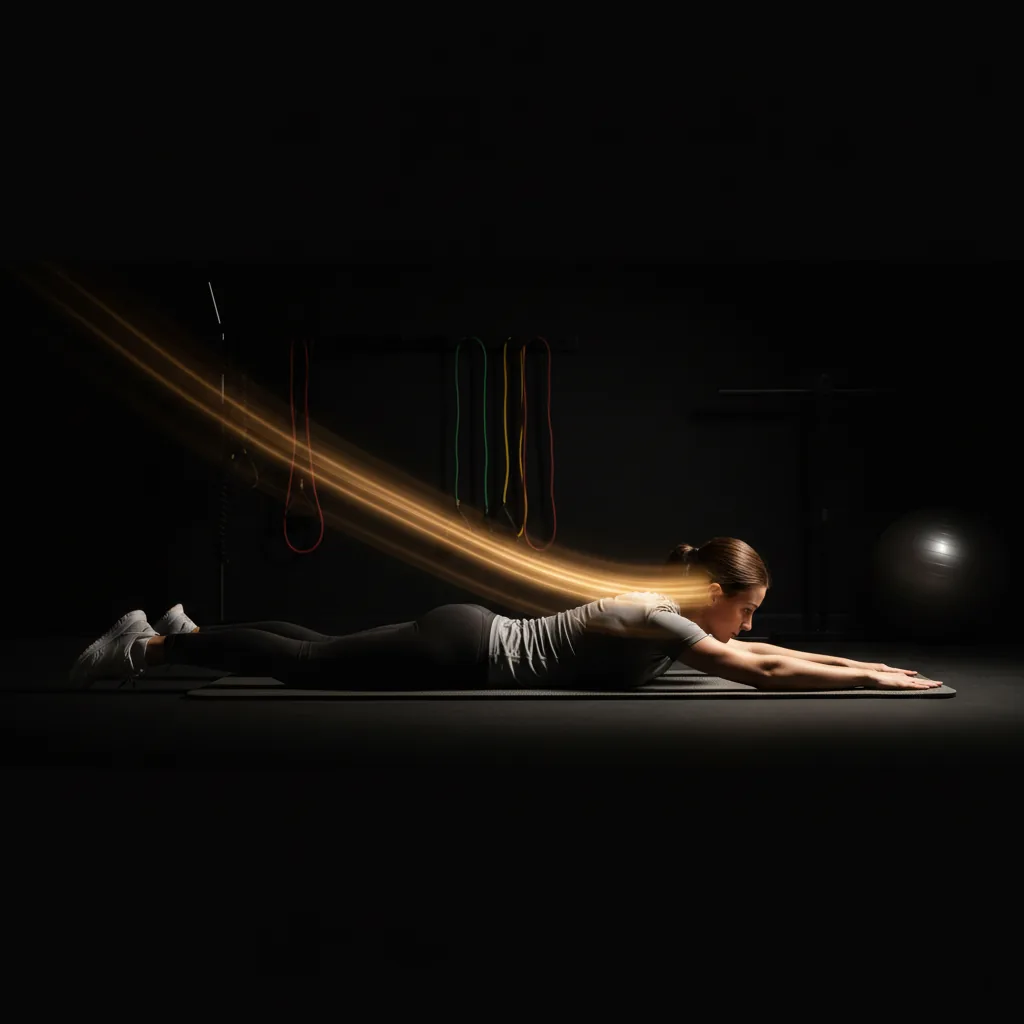
Lower back pain is the single most common condition I see at Solas PT — and also the most commonly mistreated. Not because therapists don't care, but because the diagnosis is skipped. Someone gets a generic core exercise routine without anyone first figuring out whether their pain is coming from a disc, a nerve root, a hip weakness, or a combination of all three. The exercises they're given may help one of those problems and actively aggravate another.
This is what separates a thorough physical therapy evaluation from a template treatment. Here's how I actually approach lower back pain assessment and treatment at Solas PT in El Paso — and why that process makes all the difference.
It Starts With Listening: The Subjective Exam
Before I touch you, I need to understand your story. The subjective examination is a structured conversation designed to uncover the likely mechanism of injury — what happened, when, and how — along with two things that tell me more than any imaging ever will: what makes your pain worse, and what makes it better.
Aggravating and relieving factors are clinically powerful. If your pain is worse with sitting and better when you stand and walk, that pattern points in one direction. If your pain is worse with bending forward and you get relief lying flat, that points somewhere else entirely. These are not minor details — they help me form a working hypothesis about the type of pain generator before the objective exam even begins.
What I'm listening for: Did this come on gradually or suddenly? Is there any pain, numbness, or tingling traveling into the leg? Is the pain sharp and localized, or diffuse and achy? Does it change with position? These answers shape everything that follows.
Three Different Problems, Three Different Treatments
Not all low back pain is the same, and treating it as if it is leads to poor outcomes. In my evaluation I'm working to identify which of these primary categories best fits the patient in front of me — because the treatment for each is distinctly different.
Disc Injury
A disc herniation or bulge puts pressure on the surrounding structures. These patients often have centralized low back pain that may refer into the glute or upper leg, and they typically have a clear directional preference — meaning one movement pattern relieves them and another aggravates them significantly. Prolonged sitting is usually intolerable. Disc involvement requires very specific loading strategies and is easily made worse with the wrong intervention.
Nerve Root Irritation or Inflammation
When the disc or surrounding tissue is irritating a nerve root directly, pain often travels in a more specific pattern into the leg — sometimes all the way to the foot. This is true sciatica, and it has clinical signs that confirm it during my objective exam. The nerve root needs either more space (opening movements) or traction (decompression), depending on exactly how it's being compressed. A neurodynamic assessment helps determine which is appropriate.
Non-Specific Low Back Pain
This is the most common category — pain without a clear structural culprit on imaging, driven by movement dysfunction, muscular imbalance, or combined impairments throughout the body. These patients often respond well to manual therapy and targeted exercise once we identify where the dysfunction is actually coming from.
Directional Preference: The Direction That Heals
One of the most useful clinical findings in low back pain is directional preference — the discovery that one movement direction consistently reduces pain, centralizes symptoms, or improves range of motion while the opposite direction worsens it.
I assess this through repeated lumbar flexion and extension movements. Some patients feel significantly better with extension — pressing up from prone, opening the lumbar spine. Others feel better with flexion — rounding forward, taking pressure off the posterior elements. This finding directly guides treatment.
It also determines whether tractioning the nerve root (creating space by opening the foramen) or decompression in the opposite direction is appropriate. And it informs which neurodynamic movements — nerve mobilizations — will help rather than irritate. This is where generic exercise lists fail: a prolonged hamstring stretch that's perfectly appropriate for someone with hip tightness can significantly worsen a nerve root irritation by tensioning an already sensitized sciatic nerve. Most therapists miss this distinction entirely.
This is why a proper exam matters: The same stretch that relieves one patient can aggravate another with the same chief complaint. There is no such thing as a universally safe lower back pain exercise — only exercises that are appropriate for a specific diagnosis.
Looking Up and Down the Chain
The lumbar spine doesn't operate in isolation. When I assess a low back pain patient — especially one with non-specific LBP — I'm examining the entire kinetic chain, because the spine is often paying the price for dysfunction somewhere else.
Hip Weakness and Hip Mobility
The hip extensors, abductors, and external rotators are the primary stabilizers of the pelvis during movement. When they're weak or restricted, the lumbar spine compensates by taking on load it wasn't designed to handle repetitively. Hip weakness is one of the most consistently under-treated contributors to chronic low back pain I see in El Paso.
Knee and Ankle
Limitations in ankle dorsiflexion change how load travels up the chain during walking, squatting, and running. Knee instability affects how the hip and pelvis respond. I screen these systematically because they're often silent contributors — the patient isn't complaining about their ankle, but their ankle is driving their back pain.
Functional Movement Screen
Beyond isolated joint testing, I observe how you move as a whole. How you squat, hinge, step, and stabilize under load tells me where your movement patterns break down and where the compensations are showing up as pain. This global picture is critical for building a truly corrective program — not just treating symptoms.
Treatment Is Driven by the Exam, Not a Protocol
Once the evaluation is complete, I have a clinical picture that's specific to you. Treatment is then matched to the pain generator, not pulled from a standard protocol.
Someone with a disc herniation and a clear extension preference might receive McKenzie-based directional loading, nerve mobilizations, and manual therapy to the lumbar spine and hip — with strict avoidance of sustained flexion. Someone with non-specific LBP driven by hip weakness gets a very different program: glute activation, hip strengthening in multiple planes, manual therapy to restricted joints, and movement retraining.
The clinical danger of cookie-cutter treatment is real. Prolonged piriformis and hamstring stretching — a standard recommendation for "back pain" — is appropriate for some patients and will aggravate a nerve root irritation in others. The sciatic nerve runs directly through or beneath the piriformis, and sustained stretching of that region can further sensitize an already irritated nerve. This is a mistake I see frequently in patients who come to me after treatment elsewhere.
Acute vs. Chronic: Prognosis and Approach
How long you've had back pain significantly changes how I approach treatment and what I tell you to expect.
Acute Low Back Pain
Acute back pain — typically defined as less than 6–12 weeks in duration — has a naturally favorable prognosis. Most episodes resolve on their own over time. But physical therapy dramatically accelerates that recovery, reduces the risk of recurrence, and prevents the transition to chronicity. Patients who receive early, targeted PT get better faster and are far less likely to end up back in pain six months later.
Chronic Low Back Pain
Chronic back pain — persisting beyond 12 weeks — is a different clinical picture entirely. The nervous system has often become sensitized, meaning the pain response is no longer directly proportional to tissue damage. These patients require a highly specific and tailored approach: manual therapy to address joint and soft tissue restrictions, progressive therapeutic exercise, and — when fear of movement has developed — a graded exposure approach that carefully reintroduces activities the patient has been avoiding.
Pain education is often a core part of chronic LBP treatment. Understanding why the nervous system amplifies pain, and how movement is safe even when it's uncomfortable, is itself a therapeutic intervention supported by strong evidence.
The Biopsychosocial Approach: Treating the Whole Person
At Solas PT, I treat back pain using a biopsychosocial model — which means I'm looking at biological factors (tissue injury, movement dysfunction), psychological factors (pain beliefs, fear avoidance, catastrophizing), and social factors (work demands, activity goals, lifestyle) all at once.
Your goals matter to me. Whether you want to get back to CrossFit, pick up your grandkids, or sit through a workday without pain, the treatment plan is designed around your life — not a generic benchmark. That context shapes the exercises I choose, the manual techniques I use, the education I provide, and the progression timeline I set.
This is what one-on-one, cash-based physical therapy makes possible. No 15-minute slots. No aides supervising your exercises while your therapist is in another room. Every minute of your session is with me, and every decision is driven by your clinical picture — not a billing code.
Frequently Asked Questions
In most cases, no. Research consistently shows that imaging findings — including herniated discs and degenerative changes — have a poor correlation with pain. Many people with severe-looking MRIs have no pain, and many with significant pain have "normal" imaging. Clinical examination is far more valuable for guiding treatment. I may recommend imaging if there are red flags such as unexplained weight loss, fever, history of cancer, or severe neurological deficits.
Sciatica specifically refers to nerve root irritation causing pain, numbness, or tingling that travels in a defined path down the leg — often into the calf or foot. General low back pain is typically localized to the lumbar region and buttock. The distinction matters clinically because sciatica requires nerve-specific interventions. Many patients use "sciatica" loosely to describe any leg pain, which is why a proper evaluation is essential before starting treatment.
Yes — for patients with nerve root irritation, prolonged hamstring stretching can significantly worsen symptoms. The sciatic nerve runs through the hamstring region, and tensioning it through sustained stretching aggravates an already sensitized nerve. This is one of the most common errors I see in patients who've been doing generic "back pain stretches" from the internet. A proper exam determines which interventions are safe for your specific diagnosis.
Acute back pain often responds in 4–8 sessions over 3–6 weeks, with patients seeing meaningful improvement within the first 2–3 sessions. Chronic low back pain typically requires a longer commitment — 8–16 sessions — and may involve a graded progression as movement confidence is rebuilt. I reassess your progress at every visit and adjust the plan accordingly.
No. Texas is a direct access state — you can book directly with Dr. Cisneros at Solas PT without a physician referral. Under Texas HB 4099, you're entitled to 30 calendar days of PT without a referral. Cash-based care means no insurance authorization delays. Most patients are seen within a few days of reaching out.
Ready to Get the Right Diagnosis?
A thorough evaluation is the foundation of effective back pain treatment. Book a one-on-one session with Dr. Cisneros at Solas PT — El Paso's cash-based physical therapy clinic at 300 N Resler Dr, West El Paso.
Book Your EvaluationAlso read: Lower Back Pain Treatment in El Paso → | Dry Needling for Back Pain → | Sciatica Treatment El Paso →
Important: If your back pain is severe, accompanied by leg numbness or weakness, or has lasted more than 6 weeks without improvement, see a physical therapist before starting an exercise program. Pain that travels down the leg may indicate nerve involvement that requires assessment before loading the spine.
Why Exercise Is the Best Medicine for Lower Back Pain
Rest used to be the standard advice for back pain. We now know it's one of the worst things you can do. Prolonged rest causes the muscles that support your spine — particularly the multifidus and transverse abdominis — to weaken and atrophy within days. That weakness creates a cycle: pain leads to rest, rest leads to weakness, weakness leads to more pain.
Movement, done correctly, does the opposite. It increases blood flow to the discs and surrounding tissue, reduces inflammation, and retrains the neuromuscular system to protect the spine under load. A 2021 review in the Journal of Orthopaedic & Sports Physical Therapy found that exercise therapy reduces chronic low back pain intensity by an average of 10–15 points on a 100-point scale — comparable to most medications, without the side effects.
The exercises below are organized the way I structure most back pain programs: start with gentle mobility work, build core stability, then add hip strength, since the hips are one of the most overlooked drivers of lower back pain.
Gentle Exercises for Lower Back Pain: Where to Start
These are the first exercises I give to patients who are in acute pain or are just getting started. They're low-load, gentle, and safe for most people — including those with disc herniations, muscle strains, or general stiffness. Do them on a firm surface (yoga mat on a hard floor, not a soft mattress).
Knee-to-Chest Stretch
One of the most consistently effective gentle exercises for lower back pain. It decompresses the lumbar spine, releases tight paraspinal muscles, and is safe even during acute flare-ups.
How to do it: Lie on your back with knees bent. Bring one knee toward your chest and hold for 20–30 seconds. Switch sides. Then bring both knees to your chest simultaneously and hold. Do 3 reps per side. You should feel a gentle stretch — never sharp pain.
Cat-Cow Stretch
A classic physiotherapy exercise for lower back pain that improves segmental spinal mobility and reduces morning stiffness. The rhythmic movement pumps synovial fluid through the facet joints and encourages disc hydration.
How to do it: On hands and knees, alternate between arching your back toward the ceiling (cat) and letting it sag toward the floor (cow). Move slowly and with your breath — inhale into cow, exhale into cat. Do 10 full cycles. This is an excellent back pain relief exercise at home that you can do every morning before getting out of bed.
Lumbar Rotation Stretch
Reduces rotational stiffness in the lumbar spine and stretches the piriformis — a muscle that, when tight, can mimic or contribute to sciatica-like symptoms and lower back pain.
How to do it: Lie on your back with knees bent and feet flat. Let both knees drop slowly to one side while keeping your shoulders on the floor. Hold 20–30 seconds. Return to center and repeat on the other side. 3 reps per side. If this causes sharp radiating pain, stop and see a PT.
Child's Pose
Borrowed from yoga, child's pose is one of the best gentle exercises for lower back pain because it simultaneously decompresses the lumbar spine and stretches the thoracolumbar fascia — the thick connective tissue wrapping the low back that becomes chronically tight in desk workers.
How to do it: From a kneeling position, sit back toward your heels and reach your arms forward along the floor. Let your spine lengthen and your lower back open. Hold 30–60 seconds, breathing deeply. If your knees are uncomfortable, place a folded blanket behind them.
Core Exercises for Lower Back Pain: The Foundation
Core training for back pain is widely misunderstood. The goal isn't a six-pack — it's spinal stability. The deep core muscles (multifidus, transverse abdominis, pelvic floor, diaphragm) act like a corset around your lumbar spine. When they're weak or poorly coordinated, every movement you make — sitting, standing, lifting — puts more stress on your discs and joints.
The best core exercises for lower back pain are low-load, focused on bracing and control — not crunches, sit-ups, or heavy leg raises, which spike lumbar disc pressure significantly. Start here.
Dead Bug
The single most effective core exercise for back pain rehabilitation. It trains the deep stabilizers without loading the spine, and forces coordination between opposite arm and leg — exactly how your core needs to function during walking and daily activity.
How to do it: Lie on your back. Raise arms toward the ceiling and bend knees to 90°. Press your lower back firmly into the floor (this is the brace — maintain it throughout). Slowly extend one leg out and lower the opposite arm overhead. Return and repeat on the other side. Do 8–10 reps per side. Never let your lower back arch off the floor.
Bird Dog
A McGill Big 3 exercise — one of the most research-supported core exercises for lower back pain. It trains the multifidus and erector spinae to stabilize the spine while the limbs move, which is exactly what they're supposed to do during daily activities.
How to do it: On hands and knees, brace your core gently. Extend one arm forward and the opposite leg back simultaneously, keeping your hips level (don't let them rotate). Hold 3–5 seconds. Return and switch sides. Do 8–10 reps per side. Quality over speed — a slow, controlled rep beats a fast sloppy one every time.
Modified Plank (Forearm)
Planks train the entire anterior core chain — abs, hip flexors, and the muscles that prevent your spine from extending under load. A forearm plank is more appropriate for back pain than a full push-up plank because it reduces shoulder stress and allows better focus on core bracing.
How to do it: Forearms on the floor, elbows under shoulders. Toes on the floor. Create a straight line from head to heels. Brace your abs and squeeze your glutes — don't just hang in the position. Hold 20–30 seconds to start. Progress to 60 seconds over several weeks. If your low back hurts during a plank, drop to your knees.
Glute Bridge
Simultaneously strengthens the glutes, hamstrings, and lumbar extensors while teaching your body to generate hip power without overloading the low back. Weak glutes are one of the most common — and most overlooked — contributors to chronic lower back pain.
How to do it: Lie on your back, knees bent, feet flat. Drive through your heels and lift your hips until your body forms a straight line from knees to shoulders. Squeeze your glutes at the top — don't hyperextend your lower back. Hold 2–3 seconds, lower slowly. Do 3 sets of 10–15 reps. Progress to single-leg bridges when this becomes easy.
Back Pain That Won't Quit?
If you've been doing the exercises and the pain keeps returning, your body is telling you something. One evaluation with Dr. Andrew identifies the pattern and builds a plan that actually sticks.
Hip Stretches for Lower Back Pain: The Missing Link
If you only focus on your back, you're missing half the problem. The hip flexors, piriformis, and glutes all attach directly to the lumbar spine and pelvis. When these muscles are tight or weak, they pull the spine out of alignment and force the lower back to compensate on every step you take.
I tell patients: tight hips are often the reason your back hurts. Fix your hips, and the back frequently improves without doing anything directly to it.
Hip Flexor Stretch (Kneeling Lunge)
The psoas major is a hip flexor that attaches directly to the lumbar vertebrae. When it's chronically tight — which it is in most people who sit for work — it compresses the lumbar spine and tilts the pelvis forward, creating an exaggerated curve that strains the low back all day long.
How to do it: Kneel on one knee (the side you're stretching), with the other foot forward. Tuck your pelvis slightly under (posterior pelvic tilt) before shifting forward — this is what actually stretches the hip flexor. You should feel a stretch in the front of the kneeling hip. Hold 30–45 seconds. 3 reps per side. Do this daily if you sit for work.
Piriformis Stretch (Figure-4)
The piriformis runs directly over the sciatic nerve. When it's tight, it can compress the nerve and create symptoms that feel exactly like sciatica — pain, burning, or tingling down the back of the leg. This stretch directly targets it.
How to do it: Lie on your back. Cross one ankle over the opposite knee, creating a figure-4 shape. Reach through the gap and pull the uncrossed leg toward your chest. You'll feel the stretch deep in the crossed-leg glute. Hold 30–45 seconds. 3 reps per side. If you feel numbness rather than a stretch, stop and have a PT assess you.
Clamshell
Targets the gluteus medius — the hip abductor that stabilizes your pelvis with every step. Weakness here causes the hip to drop during walking, which shifts load asymmetrically onto the lower back. This is one of the most commonly weak muscles I find in patients with chronic unilateral back pain.
How to do it: Lie on your side with knees bent at 90°, hips stacked. Without rolling your top hip back, lift your top knee as high as possible. Hold 2 seconds at the top. Lower slowly. Do 3 sets of 15 reps per side. Add a resistance band above the knees when bodyweight becomes easy.
Lower Back Pain Exercises to Avoid
This is the section most exercise lists skip — but it matters just as much as what you should do. Some exercises are commonly recommended for back pain but consistently make things worse for people with disc involvement, spinal stenosis, or acute pain.
⚠️ Sit-Ups and Traditional Crunches
Repeated lumbar flexion under load significantly increases disc pressure. Research by Dr. Stuart McGill showed that a full sit-up can generate compressive forces on the lumbar spine exceeding 3,000 N. For someone with an already irritated disc, this is the last thing you want. Replace them with dead bugs and planks.
⚠️ Standing Toe Touches
Standing and bending forward to touch your toes loads the posterior disc wall maximally. For most acute back pain — especially disc-related — this is a provocative position that should be avoided until you've been assessed. Hamstring tightness can be addressed with supine hamstring stretches instead.
⚠️ Double Leg Raises
Raising both legs simultaneously while lying on your back creates a massive lever arm that pulls your lumbar spine into extension. This spikes disc and facet joint pressure. Even people with strong cores struggle to maintain neutral spine during double leg raises. Single-leg variations with strict bracing are far safer.
⚠️ High-Impact Cardio During a Flare
Running, jumping, and plyometrics generate significant spinal compression forces. During an acute back pain episode, stick to walking, swimming, or cycling until the pain has settled. Walking is actually one of the best exercises for back pain — it loads the spine gently while promoting blood flow and encouraging upright posture.
⚠️ Heavy Deadlifts Without Proper Form Assessment
Deadlifts can be excellent for back pain rehabilitation — but only with proper hip-hinge mechanics and an appropriate load. Loading a rounded lumbar spine repeatedly is a recipe for disc injury. If you want to return to heavy lifting, work with a PT first to assess and correct your movement pattern.
The real rule: If an exercise consistently increases your pain during or after performing it — especially pain that radiates down your leg — stop immediately. Pain is not always "weakness leaving the body" when it comes to the spine. Trust your body and get an assessment.
Lower Back Pain Exercises at Home: Building a Daily Routine
You don't need equipment to start recovering from back pain. Here's a simple home routine using the exercises above, designed for someone in the early stages of a program or managing chronic pain between PT sessions.
Morning routine (10 minutes): Cat-cow × 10 reps, knee-to-chest stretch × 3 per side, lumbar rotation × 3 per side, child's pose × 60 seconds. Do this before getting out of bed or immediately after.
Strengthening routine (15–20 minutes, 3–4x per week): Dead bug × 3 sets of 8 per side, bird dog × 3 sets of 8 per side, glute bridge × 3 sets of 12, clamshell × 3 sets of 15 per side, kneeling hip flexor stretch × 3 per side. These form the foundation of most back pain programs I prescribe in-clinic.
Daily habit: Walk for 20–30 minutes. Walking is genuinely one of the most effective exercises for lower back pain — it's low-impact, maintains lumbar range of motion, and keeps the spinal muscles active without overloading them. If you can only do one thing, walk.
Not getting results from home exercises?
If your lower back pain keeps returning or isn't improving with exercise, a one-on-one assessment with Dr. Cisneros will identify the root cause — whether it's a disc, facet joint, or movement pattern issue — and build a plan specific to your diagnosis, not just your symptom. Cash-based, no referral needed, same-week appointments in West El Paso.
When Exercise Isn't Enough: Time to See a PT
Home exercise works well for mild to moderate back pain that has a clear mechanical cause (tight muscles, weak core, poor posture). But there are situations where going it alone can delay recovery or cause harm.
See a physical therapist if your pain has lasted more than 4–6 weeks without meaningful improvement, if pain is radiating down your leg (especially past the knee), if you've had multiple episodes of back pain in the past year, if you've recently had a fall or trauma, or if over-the-counter medication isn't touching the pain. A PT can identify the exact cause — whether it's a disc, facet joint, muscle, or movement pattern issue — and build a program specific to your diagnosis, not just your symptom.
At Solas PT in El Paso, every session is one-on-one with Dr. Cisneros. No aides, no shared treatment tables, no rushing through exercises with a printout. You get 45–60 minutes of focused assessment and treatment every visit. Most back pain patients see meaningful improvement within 3–5 sessions.
Frequently Asked Questions
If I had to pick one, it's the glute bridge. It simultaneously strengthens the glutes, hamstrings, and lumbar extensors, decompresses the discs while in the supine position, and teaches proper hip extension mechanics without loading the spine under gravity. It's safe for nearly everyone, requires no equipment, and addresses one of the most common contributors to back pain — weak glutes. That said, a single exercise is rarely enough — a complete program always outperforms any one move.
Most people notice some improvement within 2–4 weeks of consistent exercise. Acute muscle strains often resolve faster — sometimes within 1–2 weeks. Disc-related pain and chronic cases typically take 6–12 weeks of progressive exercise to see significant change. The biggest mistake is stopping when you feel better — that's exactly when the strengthening work is most important, because the underlying weakness that caused the episode hasn't been corrected yet.
Yes — walking is one of the best things you can do for lower back pain. It's low-impact, maintains spinal mobility, promotes blood flow to the discs, and activates the core and glutes with every step. Aim for 20–30 minutes daily. If walking increases your pain significantly, shorten the duration and see a PT to identify why — it may indicate a specific diagnosis that changes your program.
Yes, with some caveats. Gentle yoga — specifically poses like child's pose, cat-cow, supine twists, and supported bridge — are excellent for back pain and align closely with what PTs recommend. However, deep forward folds, intense backbends (like full wheel), and poses requiring extreme lumbar flexion can aggravate disc injuries. If you want to use yoga for back pain, start with a restorative or beginner class and avoid any pose that increases radiating leg pain.
Move, don't rest — but move intelligently. Complete rest beyond 1–2 days worsens outcomes for almost all forms of back pain. Gentle movement maintains disc health, prevents muscle atrophy, and reduces the fear-avoidance cycle that often turns acute pain into chronic pain. The exercises in this guide are designed to be safe during most back pain episodes. The exception: if you have severe pain, neurological symptoms (leg weakness, bowel or bladder changes), or pain from a recent trauma, see a healthcare provider before exercising.
No. Texas is a direct access state, which means you can book a PT appointment without a physician referral. You can call Solas PT directly, get assessed, and start a personalized back pain exercise program this week — no waiting rooms, no referrals, no insurance games. Most patients see Dr. Cisneros within a few days of reaching out.
Ready for a Program Built for You?
Generic exercise lists can only take you so far. If your lower back pain keeps coming back — or isn't responding to home exercises — a one-on-one assessment with Dr. Cisneros will identify exactly why, and build a plan that fixes the root cause, not just the symptom.
Book a SessionAlso read: Lower Back Pain Treatment in El Paso → | Dry Needling for Back Pain → | Hip Pain PT →